

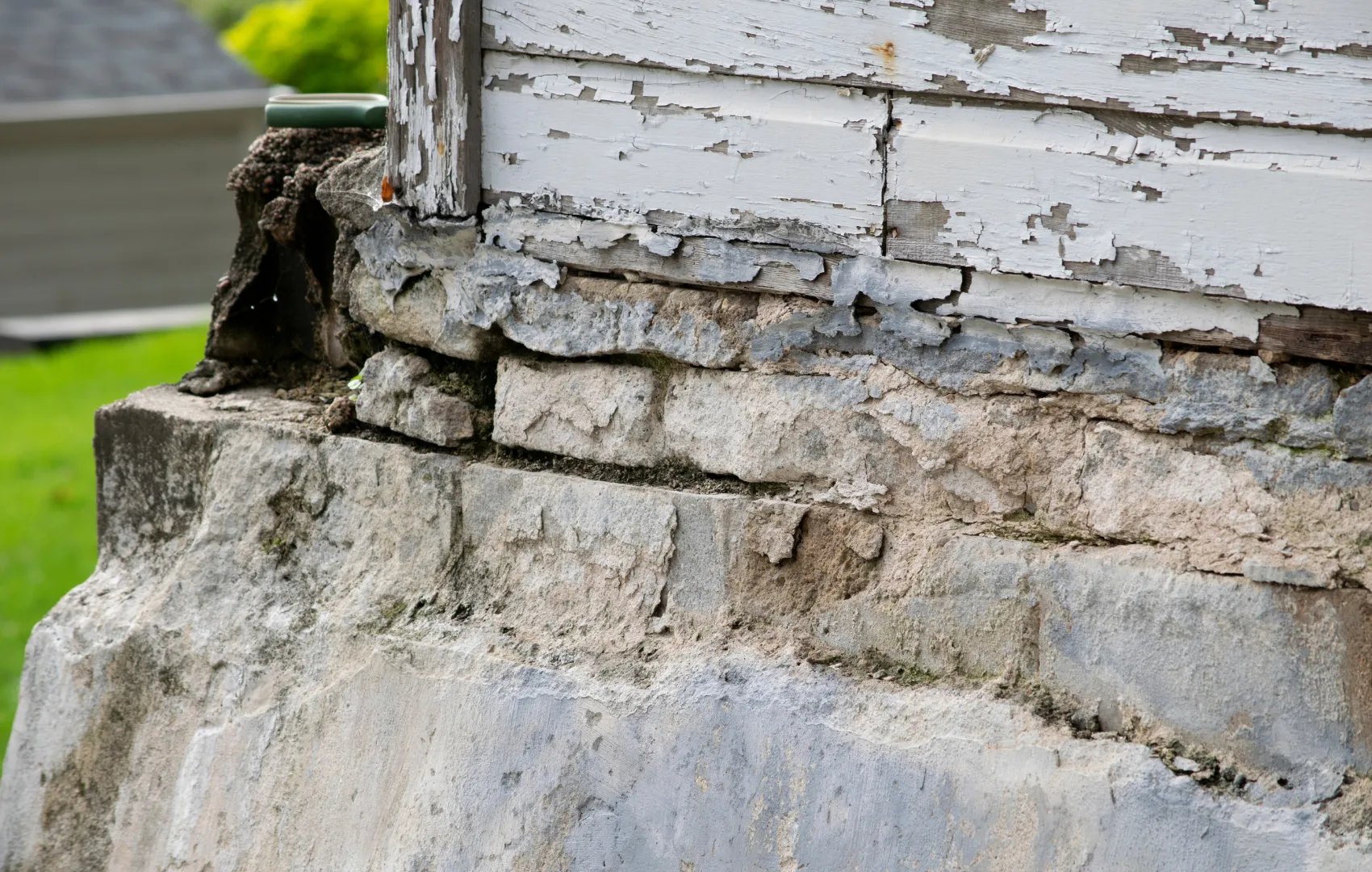
30 Jun When is a Foundation Crack Serious?
When looking at those seemingly harmless cracks on your walls, it’s easy to brush them off without giving them a thought. Since no cracks are created equal, knowing when a crack is serious can save you from structural headaches and costly foundation crack repairs down the road.
Here, we’ll walk you through how to tell the difference and, more importantly, answer the question, “When is a foundation crack serious enough that you should call in a professional?”
What Causes Foundation Cracks?
Natural Settling
Every house settles over time, which is entirely normal, especially in the first few years after it’s built. The result of this process is usually small, surface-level cracks that are typically vertical or diagonal, known as hairline cracks. You may notice them along drywall corners, near doors and windows, or on the basement floor.
Soil Movement
The primary cause of foundation cracks is soil movement beneath your home. When the soil around the foundation absorbs water from rain, poor drainage, or plumbing leaks, it naturally expands and contracts as it dries out. The constant ‘expand-contract’ cycle will place a lot of stress on the foundation and eventually cause cracks to form.
Poor Construction or Design
Unfortunately, the root cause of foundation cracks lies in poor construction or design. Even without external pressure, cracks can appear prematurely if poor construction practices were present from the outset.
Design flaws also play a role. For example, if the foundation was not engineered to suit the soil type or the land’s slope, it may not be able to accommodate the natural settling we discussed earlier. Additionally, poor drainage may worsen the case by pooling around the foundation and further intensifying stress on the structure.

Weather Extremes & Seasonal Changes
In a place where the weather and seasons can swing dramatically between hot and cold or wet and dry, like Pittsburgh, every homeowner should consider the expansion and contraction of the ground beneath as a potential source of foundation cracks. However, weather-related cracks usually recur seasonally but gradually worsen over time.
During summer, prolonged heat can dry out the soil, causing it to shrink. On the contrary, freezing temperatures in winter can cause frost heave, in which moisture freezes, expands, and pushes the foundation upward. Over time, this back-and-forth movement can lead to visible cracking in foundation walls and floors.
When is a Foundation Crack Serious?
Size of the Crack
One of the easiest ways to assess a foundation crack is by looking at its size. Even though all cracks deserve some attention, their width is the one that can help you determine whether you’re dealing with a harmless flaw or a potential structural problem.
There are two types of cracks according to their respective width:
- Hairline Cracks: These tiny cracks, less than 1/16 of an inch wide, are usually the result of natural settling or slight shrinkage in the concrete as it cures. They often appear in vertical or diagonal patterns and don’t change over time. In most cases, hairline cracks are not serious and can be monitored for any changes.
- Wide Cracks: Cracks 1/4 inch or wider are a red flag. These may signal movement in the foundation or pressure from expanding soil or water buildup. If you notice these wider cracks, especially if they are horizontal, uneven, or growing, it’s time to bring in a foundation crack repair specialist.
The most common type of foundation crack in our area is a horizontal crack, which is indicative of bowed walls. This is often because the builder backfilled the foundation walls with the high-clay-content soil we have in the area instead of gravel, as they should have.
This high-clay-content soil exerts considerable pressure on the foundation walls, especially when it gets wet. Then, when it’s wet and freezes, it exerts even more pressure, often causing an inward deflection or bow of foundation walls. Over time, this inward deflection can be severe enough to cause the foundation walls to collapse.
It’s important to take note of any inward movement of foundation walls and contact a professional as soon as it’s noticed.
Crack Location
The location where a crack appears can reveal a lot about the cause, and help determine when it is severe enough to warrant professional attention. Here are some of the places every homeowner should be familiar with:
- Walls vs. Floors: Vertical or diagonal cracks in basement walls are often caused by natural settling and may not be urgent if they’re thin and stable. However, a horizontal crack can be much more serious, especially in concrete or block walls, as it indicates pressure from expanding soil or water buildup.
Floor cracks, on the other hand, may result from minor settling; however, a wide, upward one accompanied by water warrants further evaluation.
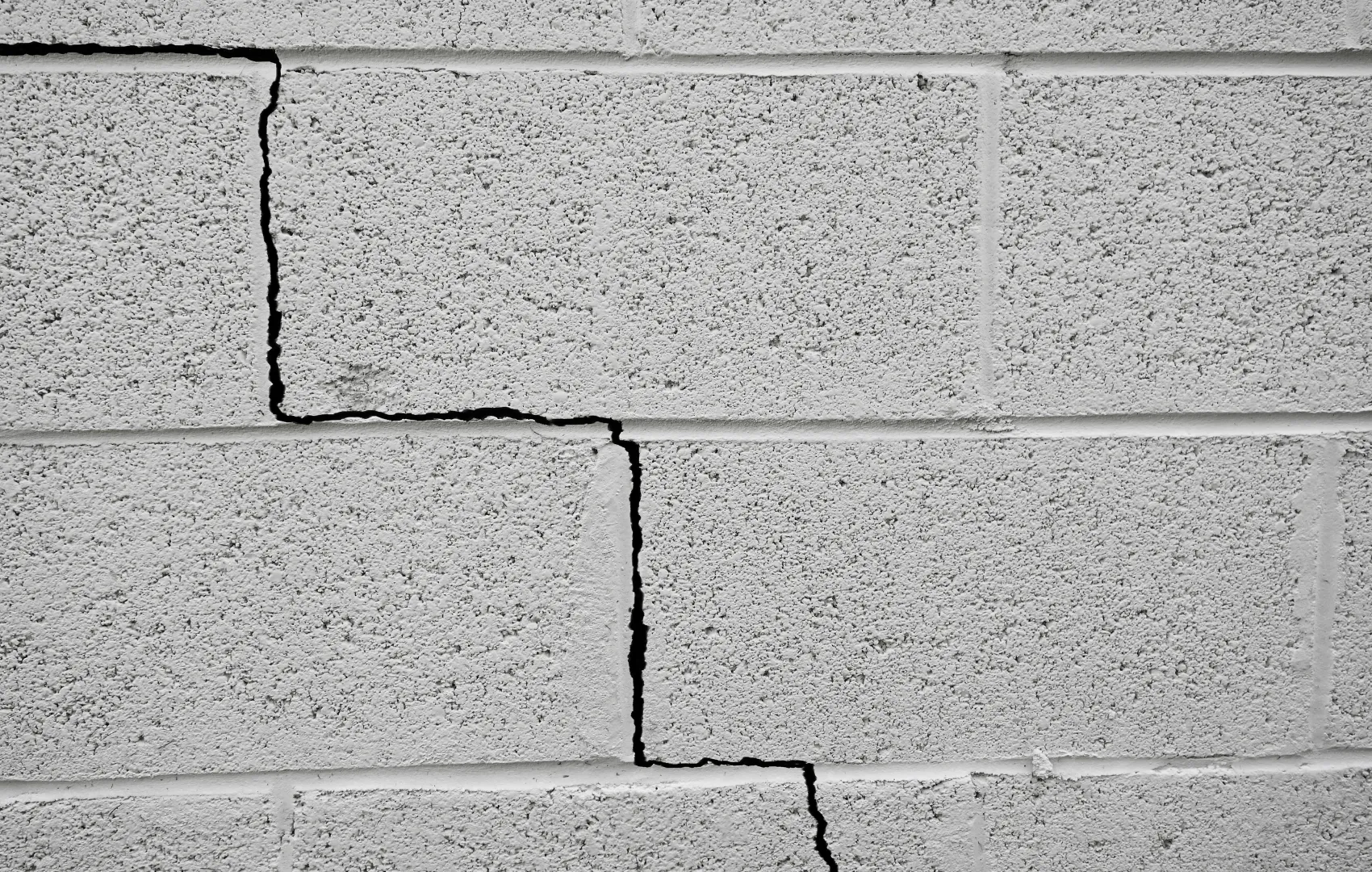
- Exterior Foundation: Cracks found outside the foundation are more vulnerable to water infiltration and freezing damage. Vertical cracks can be relatively harmless, but horizontal or “stair step” cracks may indicate that the foundation is shifting, which should be checked immediately.
- Near Windows or Door Frames: If cracks appear near doors or windows, especially if those doors or windows start to stick, jam, or no longer close properly, it could indicate that part of the home is settling unevenly.
7 Warning Signs Your Foundation Crack May Be Serious
Certain warning signs can help you determine when a foundation crack is serious and needs immediate attention. If you notice any of the following, it may indicate a more serious issue with your home’s structural integrity.
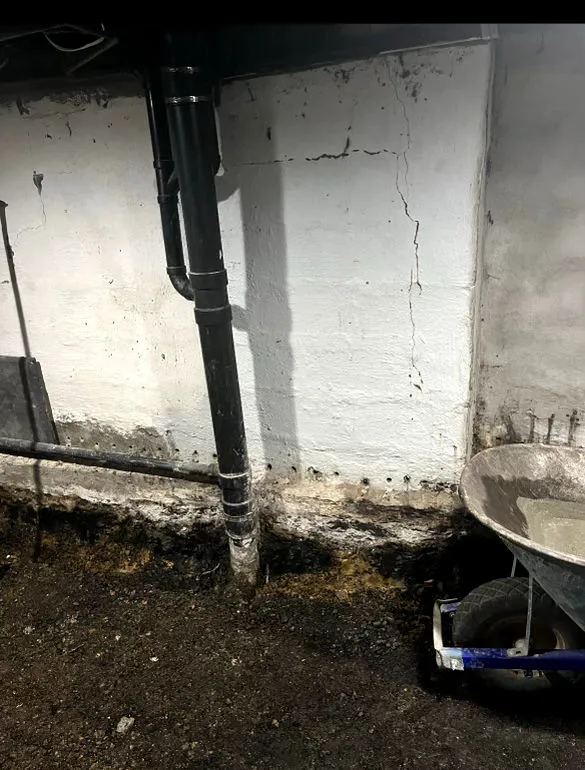
- Water Seepage or Moisture Around the Crack: Moisture around a foundation crack, especially in basements, is a red flag. It suggests water is seeping through the crack, which can lead to mold or long-term damage to the foundation.
- Crack is Growing Over Time: A small crack that slowly widens or lengthens could indicate ongoing movement in the foundation. Active growth is a sign that the issue is unstable and may be worsening.
- Walls Bowing: If your foundation walls are bowing inward or bulging, this often indicates severe pressure. This is usually accompanied by horizontal cracks, which pose a high risk.
- Doors and Windows Sticking or Misaligning: When doors or windows suddenly start sticking, jamming, or failing to close properly, and humidity is ruled out, foundation shifting may be the culprit. Cracks near these openings further support that concern.
- Gaps Between Walls, Ceilings, or Floors: Noticeable gaps between walls, ceilings, or floors can indicate movement in the foundation or framing. If nearby cracks accompany these gaps, it’s best to have them evaluated.
- Cracks Reappearing After Repairs: Even after every measure to repair the crack is taken, and it returns, especially wider than before, it’s likely that ongoing stress on the foundation is occurring, or the underlying issue simply hasn’t been addressed.
- Water Pooling Around Foundation: Standing water or poor drainage near the foundation is never a good sign, as it can increase hydrostatic pressure and lead to severe cracking.
End Note
Not all cracks are serious, but ignoring them can lead to costly foundation crack repairs down the road. Even small cracks can be early signs of a bigger problem, especially if they’re accompanied by moisture, shifting walls, or uneven floors. That’s why it’s essential to monitor changes and take action promptly if you notice any warning signs. If you’re unsure, don’t guess. Get peace of mind from the experts. Contact AquaGuard today and let our team help you protect your home from future damage.

Sorry, the comment form is closed at this time.