

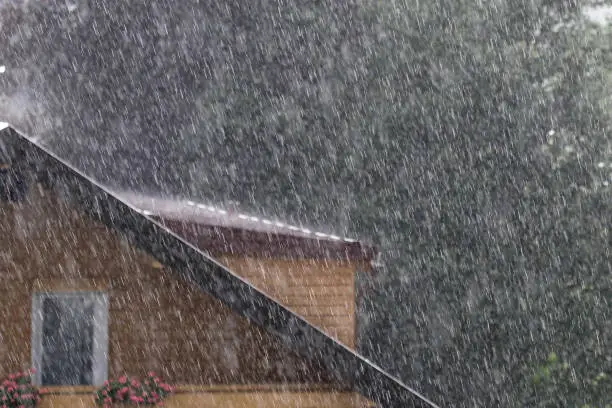
26 Aug How To Protect Your Home From Rain Damage
After a hot, humid summer, rain can bring much-needed relief. The cooler temperature, fresh air, and even the sound it brings can make the days more comfortable. But while you’re enjoying the break, your home is actually being put to the test. Summer storms may dump large amounts of water in a short time, clogging your gutters and eventually seeping through cracks and leaving your home vulnerable to water damage.
Hence, knowing how to protect your home from rain damage before the next storm can save you the headache of having to do expensive repairs later on. Read on to learn more.
How Does Rain Damage a Home?
Water Always Finds the Path of Least Resistance
Rain does not have to be pouring to cause damage. The fact is, it will find its way through even the smallest openings, like tiny cracks in your foundation or around windows and doors, and of course bigger ones, like poor drainage and clogged gutters. Or, it can build up around your home from poor drainage and clogged gutters, waiting to get inside.
Once inside, the trapped moisture can seep into your walls, floors, and basement, where it may go unnoticed for days or even weeks. Eventually, it can damage your walls and flooring, encourage mold growth, and weaken your home’s structure.
Common Areas Where Water Enters a Home
The first step in how to protect your home from rain damage is knowing entry points that can sneak water into your home. Here are common areas to look for:
- Damaged or worn-out roof
- Poor drainage and ground slopes towards the home
- Clogged gutters and downspouts
- Windows and doors with damaged seals, caulking, or weatherstripping
- Foundation cracks
- Basement walls and floors
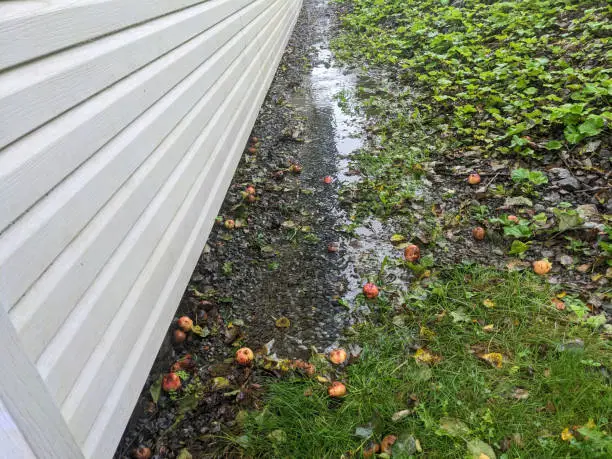
Why Rain Damage Often Starts Outside
The reason we encourage you to start looking from the outside is simple: that is where most rain damage begins. When rain first hits your damaged or poorly maintained roof, drainage, gutters, and windows, it can either use it as a direct access into your home or collect around the foundation until it eventually finds its way inside.
That is why regular exterior inspections for any loose shingles, poor yard drainage, clogged gutters or downspouts, and damaged doors and windows are hugely important to prevent leaks, mold growth, or worse, basement flooding after heavy rain.
What Are the Signs of Rain Damage?
Water in the Basement
A no-brainer sign you need basement waterproofing is water in your basement. The easiest signs you can see through your eyes are puddles on the floor after a heavy storm, water stains along the foundation, or damp walls. Yet, no obvious water does not mean water is not there. A musty odor, visible greenish mold, or peeling paint also indicate that moisture has found its way in.
Foundation Cracks
Foundation cracks are another common sign. Hairline cracks may form normally as your home settles over time, but cracks that widen or grow longer over time may signal that water is pressing against your foundation walls. So, once you notice larger cracks, especially accompanied by damp spots or leaks, have them inspected as soon as possible.
Musty Odors
No visible sign of water does not mean the water is not there. Trust your smelling sense when you notice a persistent musty or earthy odor in your basement. Even if you cannot see it, that smell usually tells you that moisture is trapped somewhere. If that smell becomes stronger, especially after heavy rain, water most likely has found its way inside.
Mold and Mildew Growth
Greenish, black, or white patches on your walls or other surfaces are something that you should not brush off. These colors are usually produced by mold or mildew growth that thrives in damp, poorly ventilated basements or crawl spaces. Besides ruining your home’s aesthetic, this growth can also affect indoor air quality and trigger allergies.
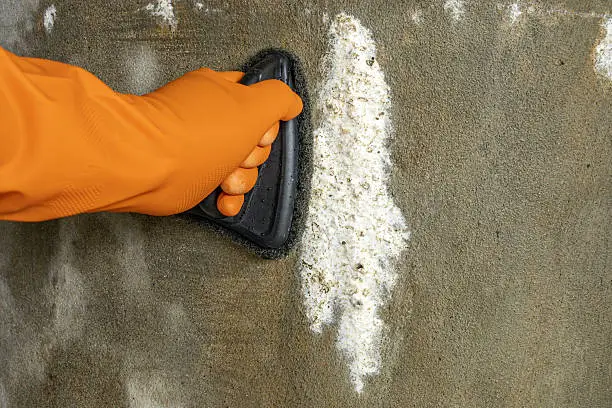
Efflorescence on Basement Walls
The next color that should raise the alarm that something is going on is a white, chalky, or powdery residue from dissolved minerals in the water that seeps in. Though the discoloration itself is not harmful, the sign it indicates is one that suggests basement waterproofing may be needed.
How Can You Protect Your Home From Rain Damage?
Keep Gutters and Downspouts Clean
Our guide on how to protect your home from rain damage also starts from the outside. Since standing water around your home is one of the main culprits of water intrusion, keeping the gutters and downspouts clean is the bare minimum you can do to ensure rainwater is carried away from your foundation.
Make Sure Your Yard Drains Properly
Water should always drain away from your home, not toward it. So, the next step is to check your yard after a heavy rain to see if water pools near your foundation, and then tackle the issues by regrading your landscape, installing proper drainage solutions, or extending your downspouts.
Seal Foundation Cracks Promptly
Basement waterproofing can also be achieved through sealing small cracks that can act as entry points for moisture. As for bigger ones that continue to widen or are accompanied by bowing walls or uneven floors, it is best to leave the matter to a professional who can recommend the basement waterproofing solution that can prevent extensive damage in the future.
Inspect Your Roof Regularly
Your roof is your home’s first line of defense, facing the harsh elements head-on. Inspect your roof regularly and look for any missing or damaged shingles, cracked flashing, or other signs of wear and tear both before and after summer thunderstorms hit. If you notice any damage or are not comfortable inspecting it yourself, we recommend reaching out to a professional instead.
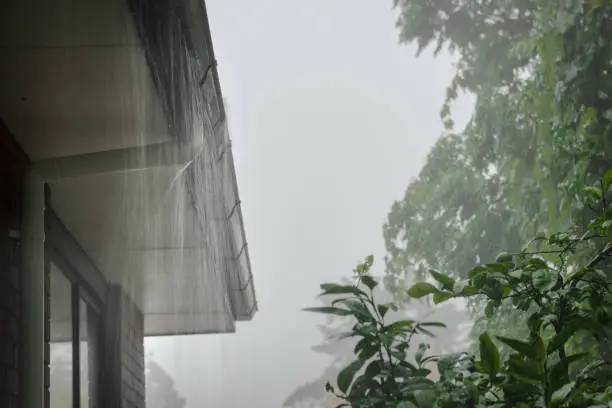
What Basement Waterproofing Solutions Help Prevent Rain Damage?
Interior Drainage Systems
To manage water that has already reached your foundation, an interior drainage system can be the solution you are looking for. This system works by capturing water through a perimeter drain installed along the inside of your foundation and directing it to a sump pump for removal. While it does not stop water from reaching the foundation, it surely prevents it from entering your living space.
Sump Pump Installation
Adding a sump pump that collects and pumps excess water away in your basement waterproofing system is certainly a good idea, especially if you live in an area that experiences frequent heavy rain. Once you have one in place, however, regular maintenance and testing should be done, to make sure it operates properly when you need it most.
Vapor Barriers
Having a vapor barrier that keeps excess moisture from entering your basement through porous surfaces can help a great deal in reducing humidity. If you and your loved ones use the basement as a living area, the lower humidity will make your basement feel more comfortable to be in and safer since mold and mildew are less likely to grow.
Foundation Crack Repair
Another basement waterproofing solution that works is by repairing foundation cracks. When you tackle those cracks early, you may still stop small problems from turning into major water intrusion issues. But with bigger cracks, you may need more extensive structural repair to prevent rain damage.
Exterior Waterproofing Solutions
If you wonder how to protect your home from rain damage from the outside, the best solution would be exterior waterproofing that prevents water from entering your basement in the first place. This solution may consist of excavating around your foundation, applying a waterproof membrane, installing drainage systems like French drains, and backfilling with clean gravel.
How AquaGuard Helps Protect Homes From Rain Damage
Customized Basement Waterproofing Solutions
No two homes are exactly alike, and neither are their water intrusion problems. AquaGuard understands that perfectly and applies no such thing as a one-size-fits-all kind of solution. Instead, we will tailor our solution according to your home’s unique condition and the kind of water intrusion problem your home is facing after conducting a thorough inspection.
Foundation Repair Services
When you notice any damage beyond minor cracks or are simply not sure what kind of problem your home is facing, our experienced team will help you by thoroughly identifying the root cause of your problems and recommending the most effective foundation repair service for you. By addressing issues early through basement waterproofing, you can protect your home from long-term rain damage.
Proven Waterproofing Systems
AquaGuard’s waterproofing systems have been proven effective through decades of experience and the positive feedback of satisfied homeowners. You don’t have to take our word for it—you can read reviews from our customers to see how our solutions have helped keep their basements dry and protected.
Experienced Local Professionals
With 30 years of experience handling waterproofing and foundation repair projects in the Pittsburgh area, AquaGuard knows how to protect your home from rain damage better than most. Our team of professionals understands the region’s climate, soil conditions, and the common causes of basement water intrusion, allowing tailored solutions to your home’s specific needs.
End Note
Knowing how to protect your home from rain damage starts with staying proactive—keeping your gutters clean, maintaining proper drainage, sealing foundation cracks, and addressing moisture issues before they become costly repairs.
When these preventive measures aren’t enough, investing in professional basement waterproofing can provide the long-term protection your home needs. Contact AquaGuard today to schedule a professional inspection.
Sorry, the comment form is closed at this time.