

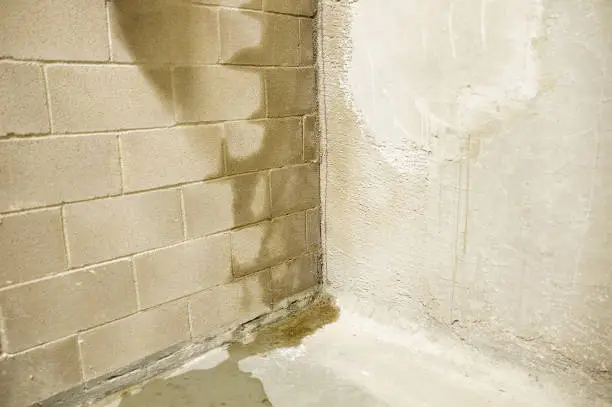
30 Jul What to Do If There’s Water Coming Through the Basement Wall
If you’re reading this article, chances are you’re currently dealing with a leaking basement wall or you’re hoping to prevent it from happening in the future. Either way, you’re in the right place. When you notice water coming through basement wall, there is no need to panic. The good news is not every leakage means structural damage. However, you still need to act quickly to limit the potential damage and make repair more manageable.
Continue reading to learn the first things you should do once water is in, why it is there in the first place, and the ultimate steps after.
Quick Answer: What Should You Do If Water Is Coming Through Your Basement Wall?
Once you’ve noticed water coming through basement wall, act quickly to limit damage and identify the source of the leak. Move furniture away from the affected area, avoid electrical hazards, document where the water is entering, and then check your gutters and drainage if it’s safe to do so. Since temporary sealants rarely solve the underlying problem, a professional inspection is the best way to identify the cause and recommend a solution.
Why Is Water Coming Through Basement Wall?
Keep in mind that the vast majority of homes were waterproofed temporarily when they were built. In most cases, the builder applied a layer of tar to the below grade portions of the foundation, which is known as damp proofing. Note this is not known as waterproofing. Even a fresh layer of tar will slow the penetration of water through a foundation but not completely stop it like true waterproofing would. As the year goes by, this protective layer of tar deteriorates and with each passing year, the foundation becomes more likely to leak. Also note that most builders do a poor job of installing the original exterior french drains at the base of the foundation or disregard this step altogether. Usually there is little if any gravel installed over the perforated pipe, which prevents water from percolating down to the exterior french drain to be carried away. This is especially true in areas that have high clay content soil, such as Western Pennsylvania and the surrounding areas. This is why most basements will need waterproofed at some point with either a permanent interior or exterior solution.
Hydrostatic pressure around your foundation
After snowmelt or heavy rain, water builds up around your foundation and exerts hydrostatic pressure against the basement walls. Over time, the pressure increases as water builds up, allowing water and moisture to seep through cracks, porous concrete, or gaps and reach your basement.
Foundation cracks or wall deterioration
Water cannot gain access to your basement unless it has a way in. As your foundation walls deteriorate, cracks or gaps around the joints are formed. Combined with saturated soil after heavy rain, for example, even the smallest crack in the foundation can then become the entry point for water.
Poor drainage around the home
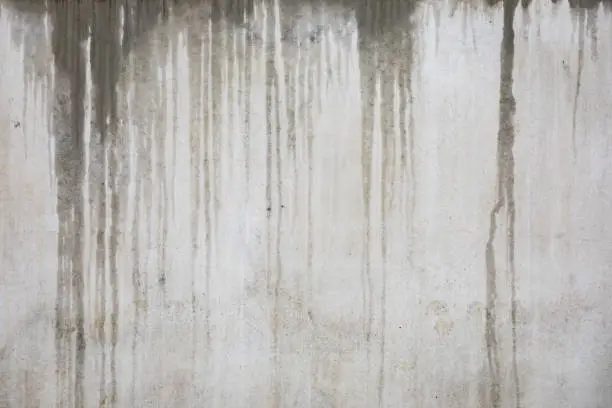
Proper drainage is designed to flow water away from your home. Hence, when gutters become clogged, the yard slopes toward the house, or downspouts are too short, water collects around your house instead. The longer the water sits there with nowhere to go, the more likely it is to find its way into your basement.
Bowed or shifting foundation walls
Foundation walls may bow, lean, or shift from the pressure formed by saturated soils. When left unaddressed for some time, these structural changes may develop cracks and gaps that allow water to seep into your basement.
What Not to Do When You Have a Leaking Basement Wall
Do not seal the wall without identifying the source
Sealing a leaking basement wall without finding the source is a mere temporary fix. No matter how good the sealant is, there will still be water coming through the basement wall unless the underlying problem is tackled. Identifying the root cause and treating it accordingly rather than ‘covering’ visible damage will prevent recurring water damage in the long run.
Do not assume it is only a cosmetic issue
Though small hairline cracks or damp spots here and there may look like simple cosmetic issues, do not assume the problems stop on the surface. Instead, these signs may signal drainage, waterproofing, or even structural issues that can worsen over time. If you act during this early stage, you can prevent more extensive damage and costly repairs down the road.
Do not wait until there is standing water
The presence of standing water in your basement may mean the problem has already progressed, and it may be too late to do a simple fix. Before that happens, you should try to be proactive by getting to the root cause once you have identified the early signs, such as a damp spot or a musty odor.
How to Tell If the Leak Is a Waterproofing Problem or a Foundation Repair Problem
Signs it may be mainly a waterproofing issue
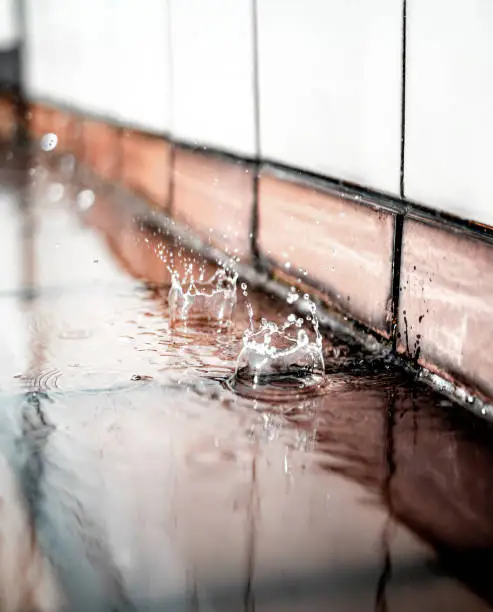
Fortunately, not all leaks point to a structural problem. The issue may mainly be waterproofing if dampness appears only after heavy rain, water enters where the wall meets the floor, or there are no bowing walls or large foundation cracks. However, if you are not sure, a professional inspection is always helpful.
Signs it may be a foundation repair issue
Yet, some leaks are a symptom of structural damage rather than a waterproofing issue alone. Hence, they need to be evaluated and addressed as soon as possible. Warning signs may include horizontal cracks, stair-step cracks in block walls, bowing or bulging walls, and doors or windows sticking upstairs.
Why both issues often happen together
Both waterproofing and foundation problems often go hand in hand because of the hydrostatic pressure. As water accumulates around the foundation, the pressure may force moisture to seep through the walls while placing stress on the foundation itself. Hence why addressing both the waterproofing and structural damage is often the most effective long-term solution, which is something AquaGuard is expert at.
Why a Leaking Basement Wall Requires Professional Waterproofing or Foundation Repair
The sight of water in your basement wall more often than not is a sign of an underlying waterproofing or foundation issue that should be properly diagnosed and treated accordingly. Some homes may simply need waterproofing, while others need structural repair. Rather than guessing, it’s best to leave the matter to a professional.
AquaGuard has the expertise to handle everything from minor structural repairs to complex foundation projects, including partial or full foundation reconstruction when necessary. For homeowners facing severe foundation damage, this specialized service guarantees you a lasting investment for your home.
End Note
A leaking basement wall is never something to ignore or delay. Whatever the root cause is, be it as simple as waterproofing failure, poor drainage, or foundation movement, handling the problem early will help prevent extensive damage and more expensive repairs. If you’re unsure what’s causing the leak, leave it to AquaGuard and reach out to us today.
Sorry, the comment form is closed at this time.